The Work
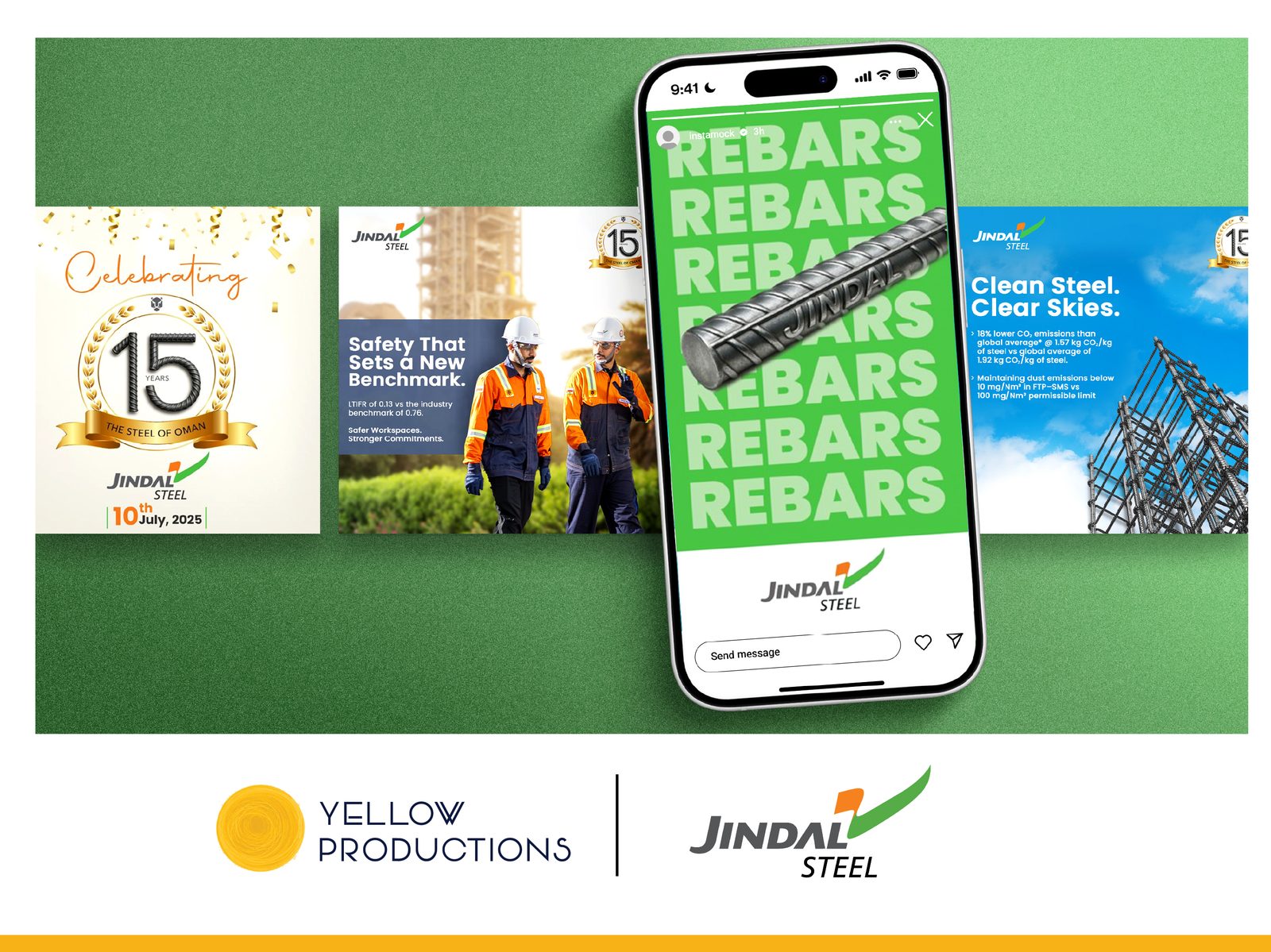
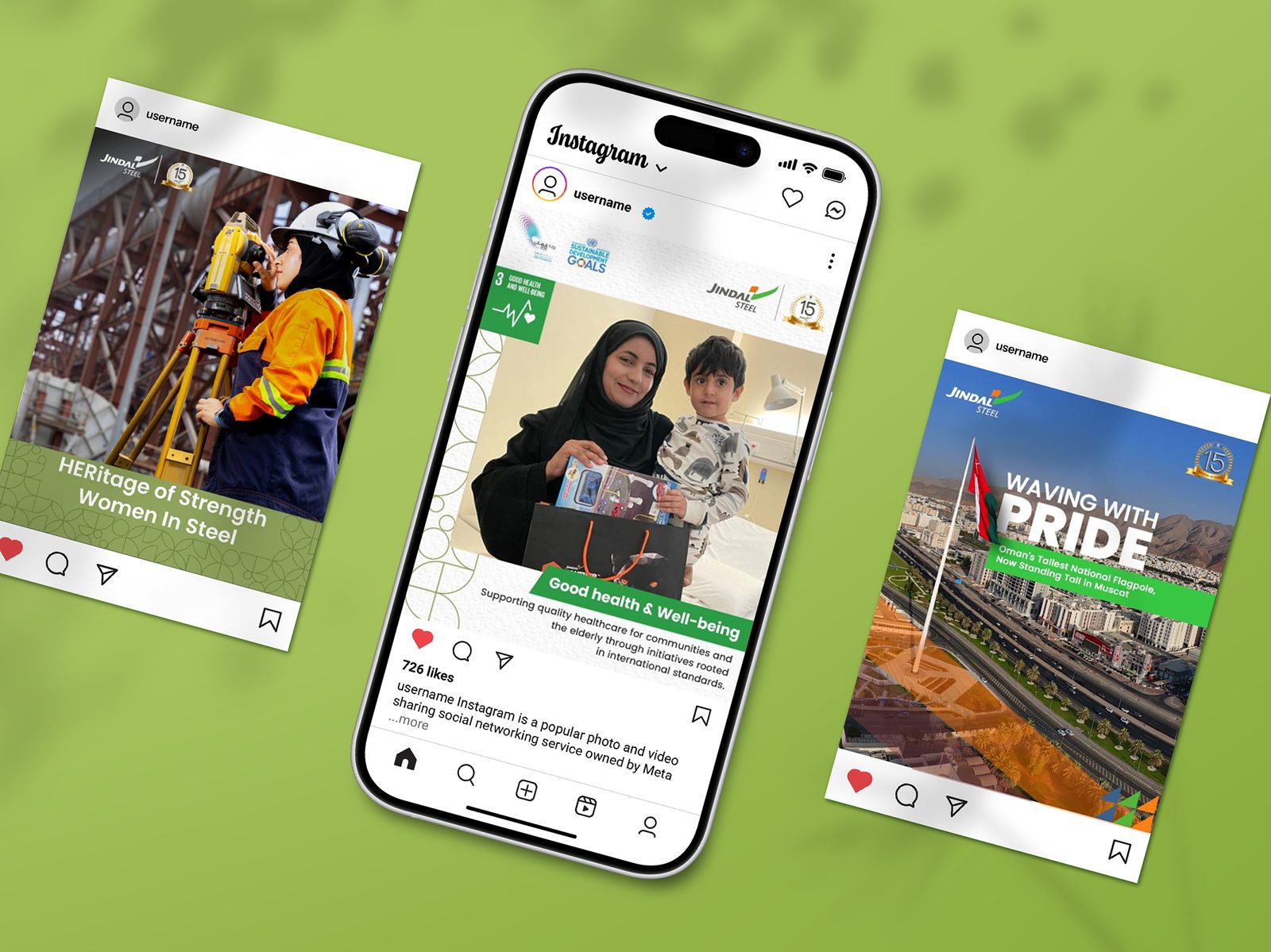
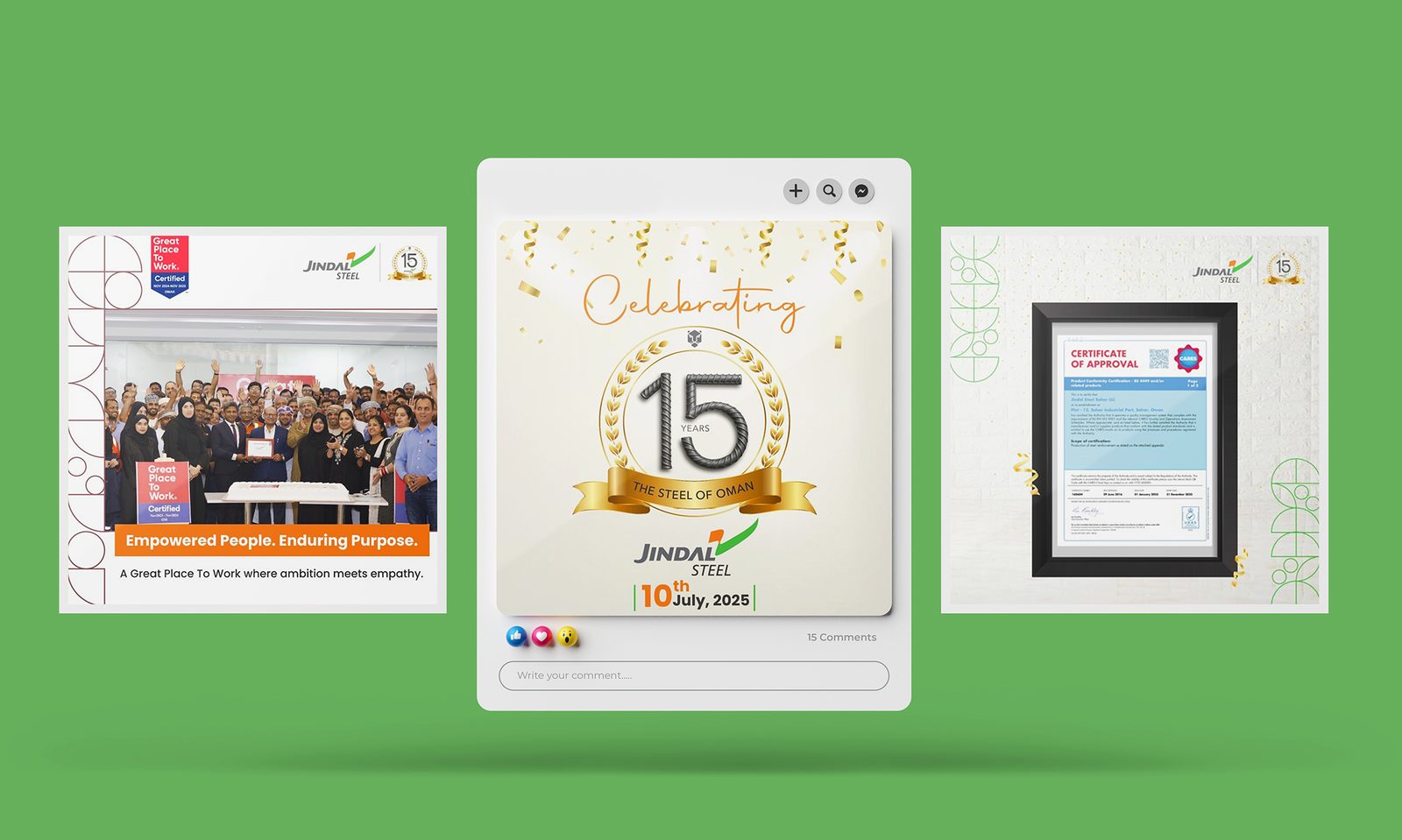
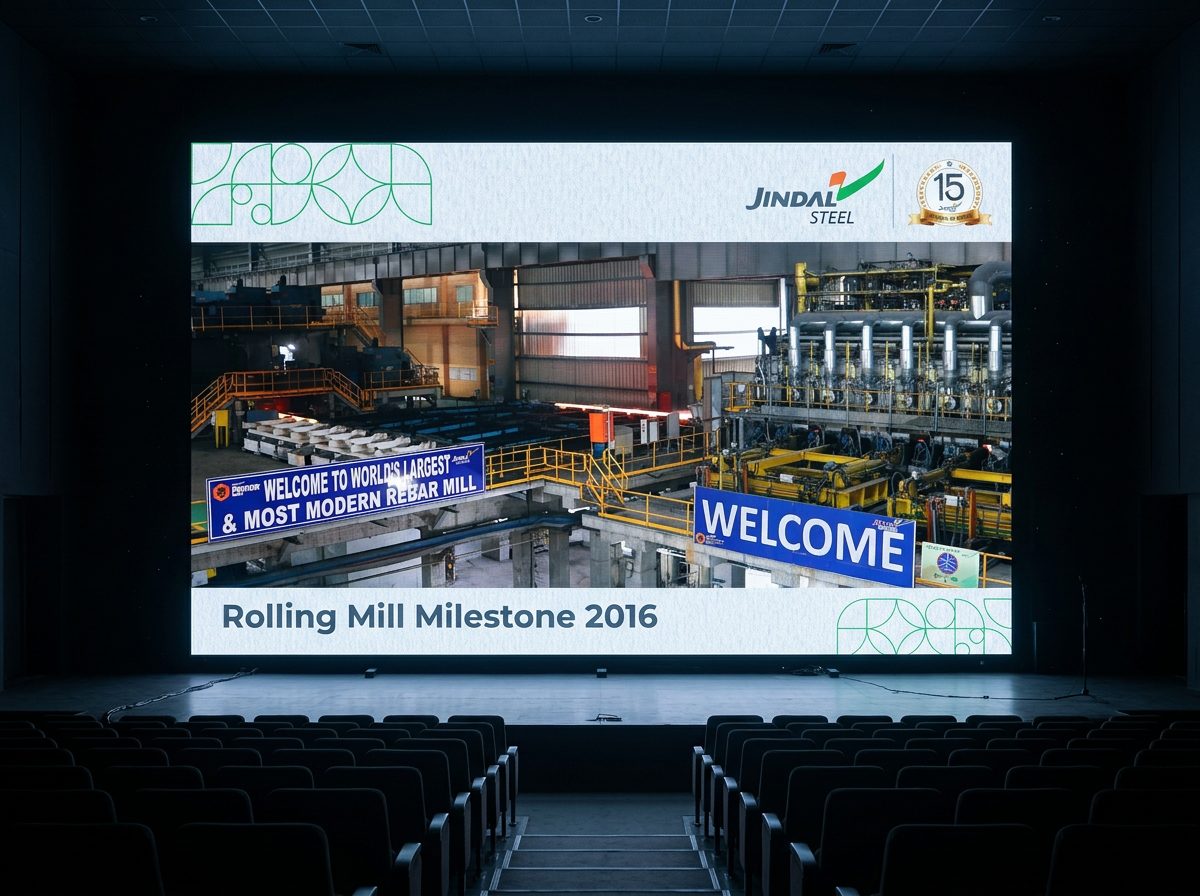
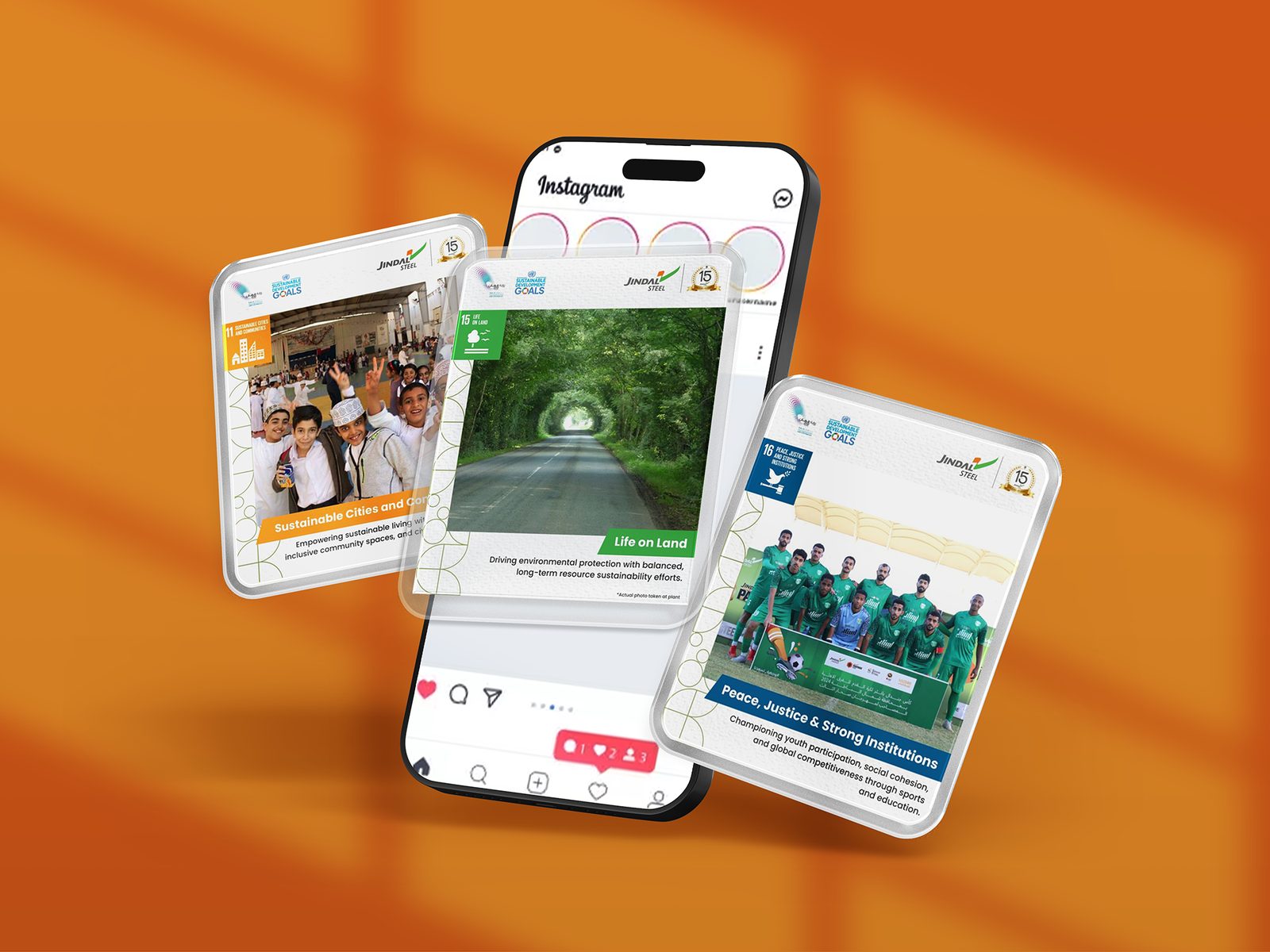
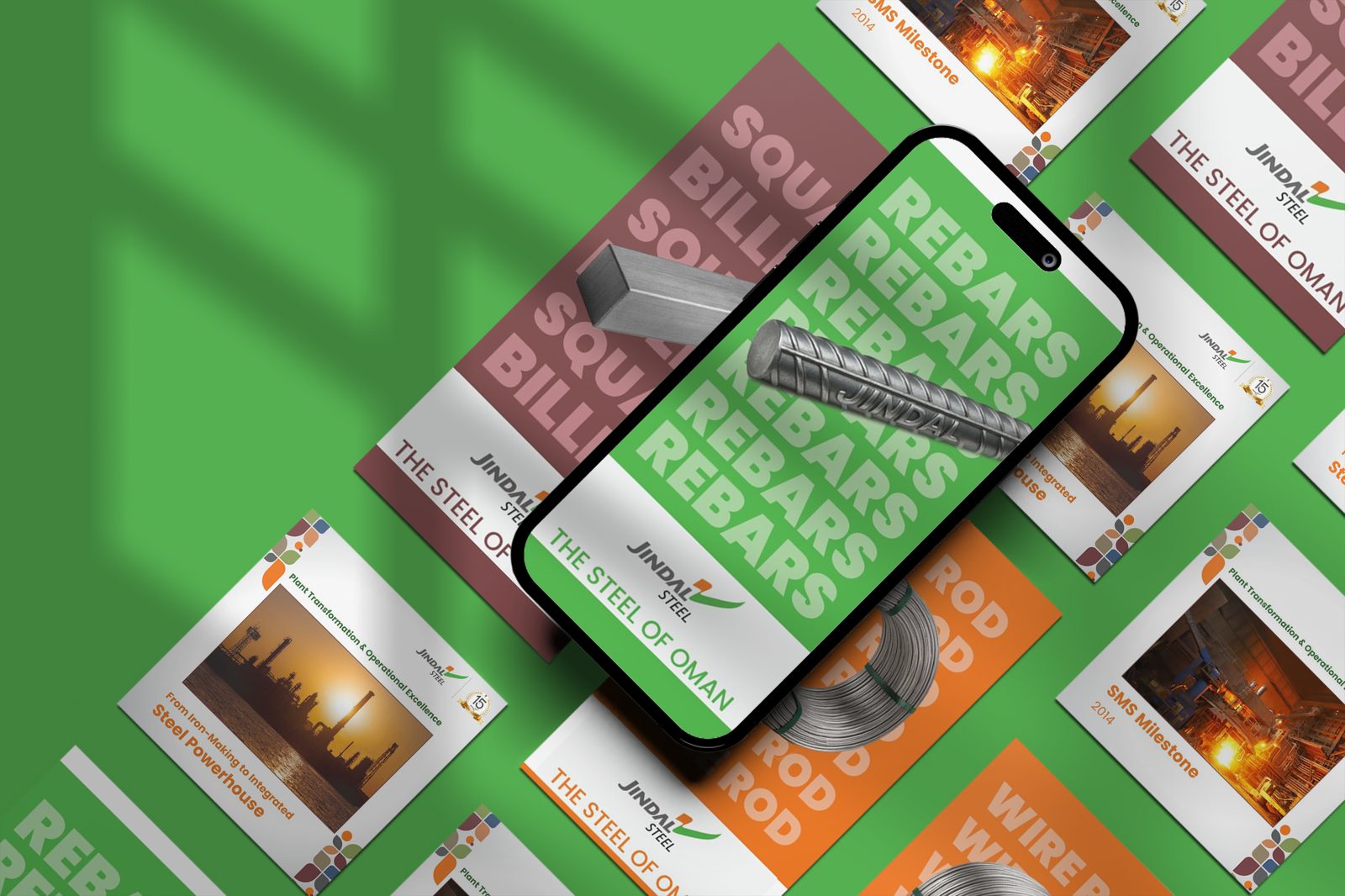
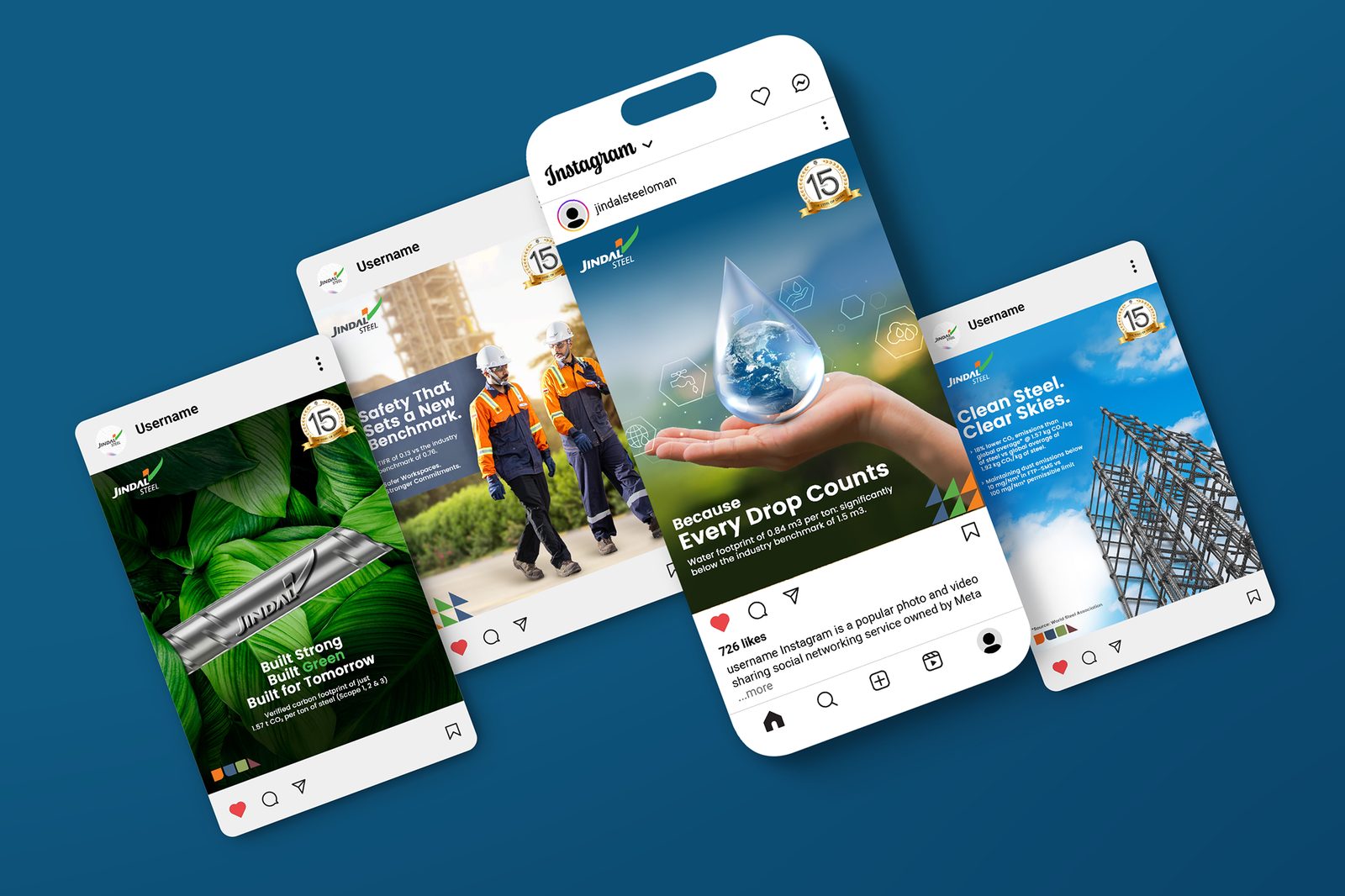
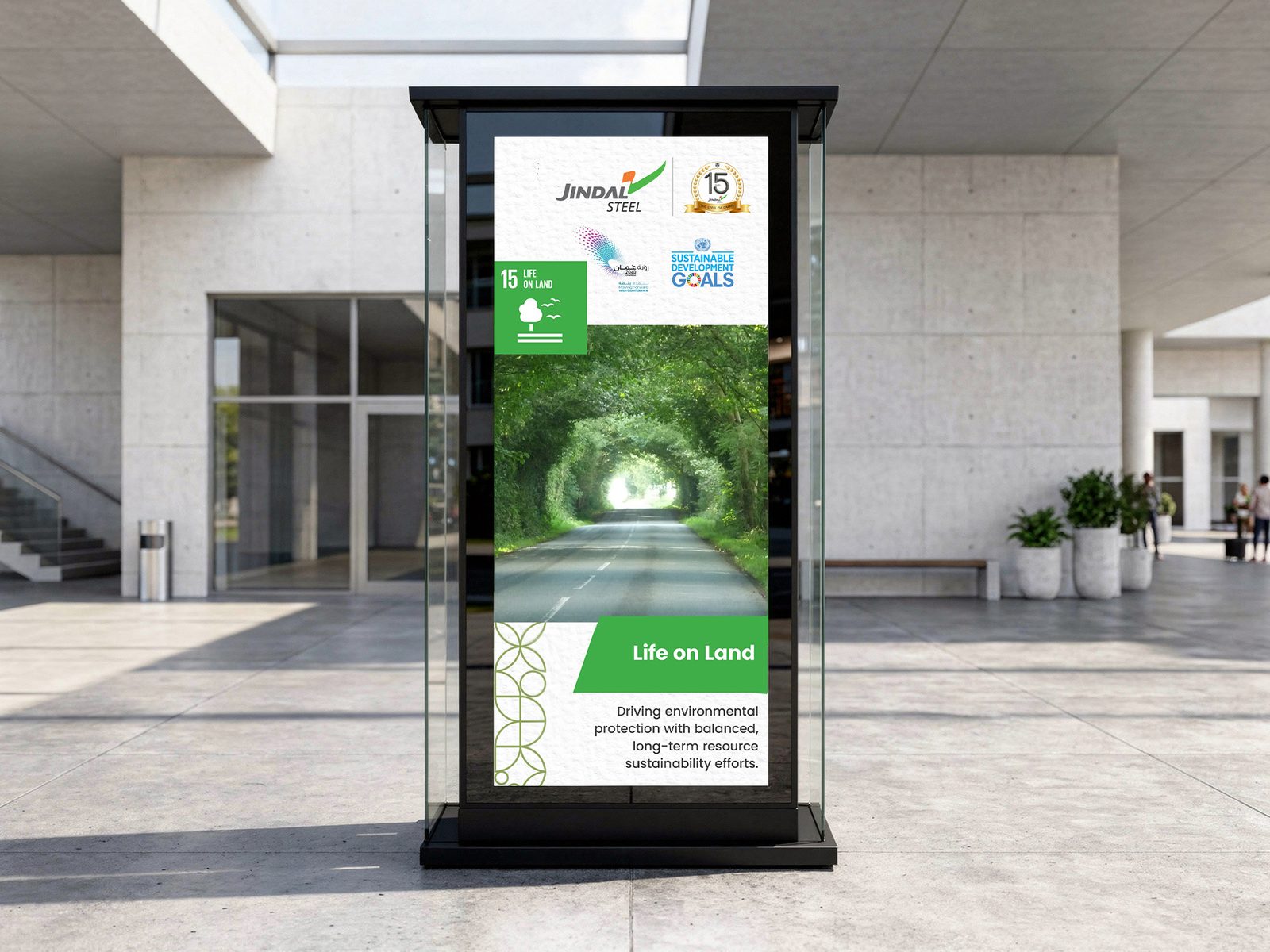
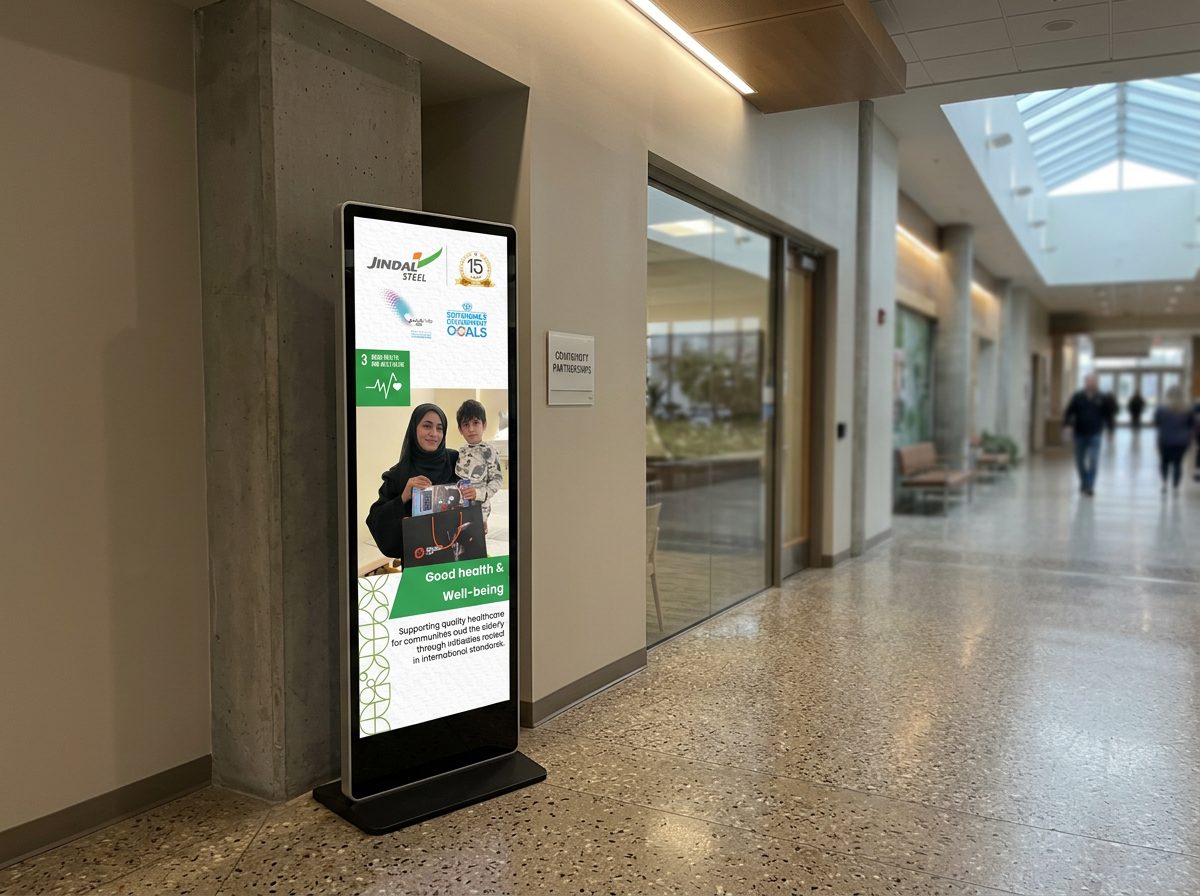
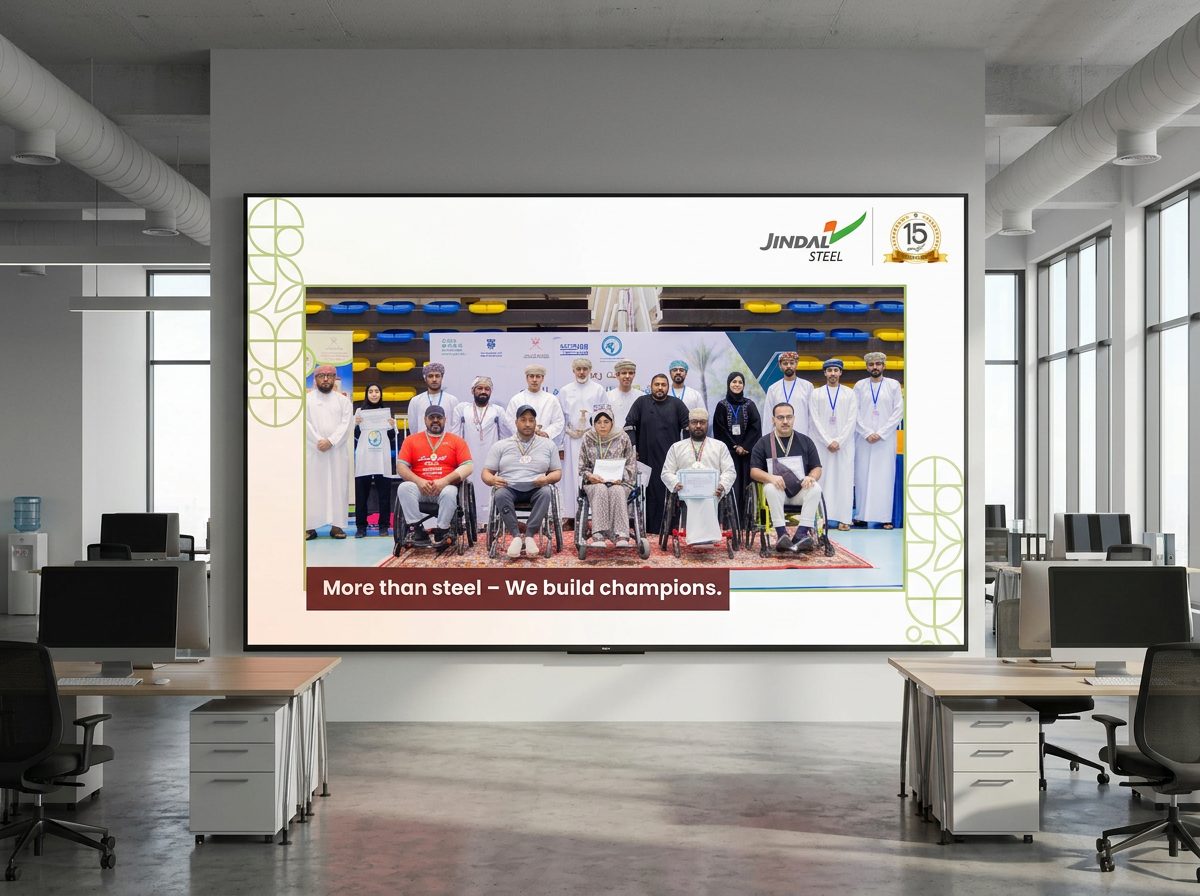
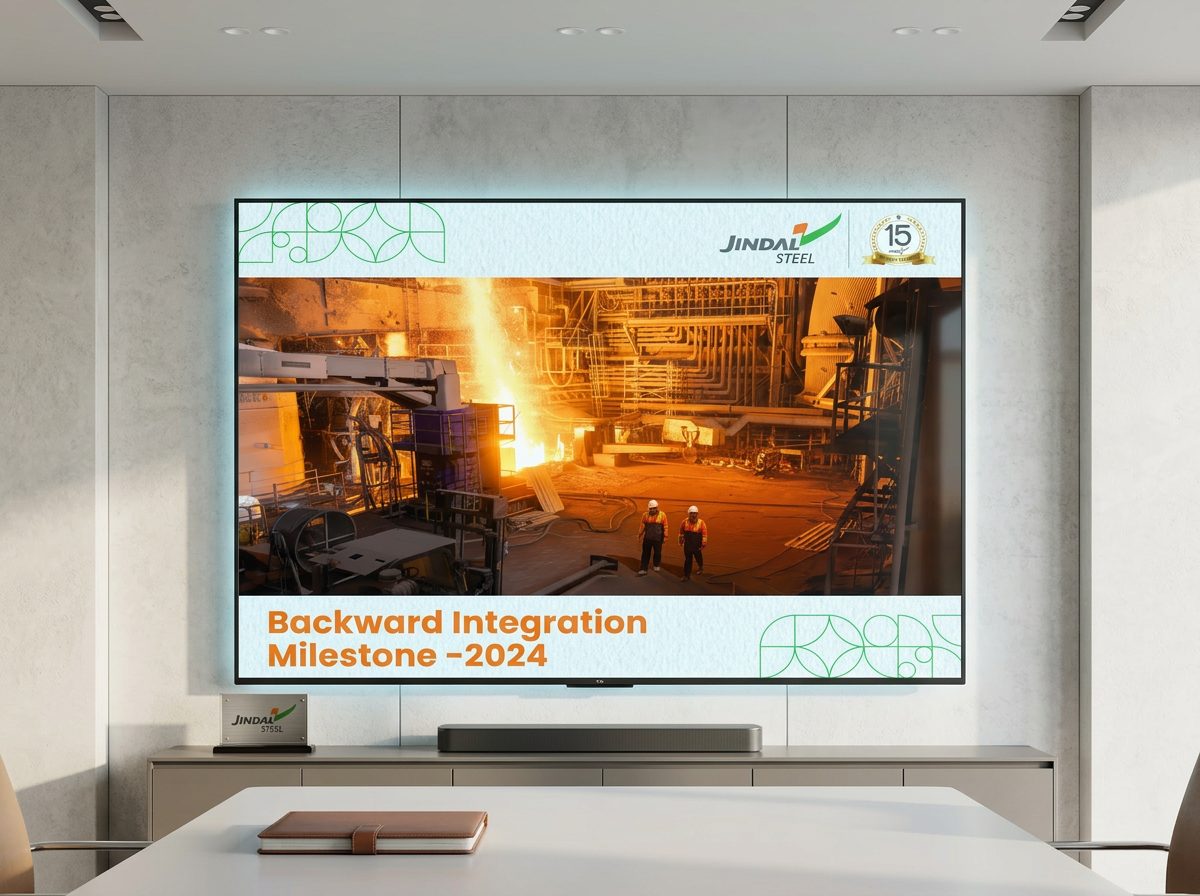
Steel is a category that competes on tonnage and price. Jindal briefed us to build brand identities from scratch across six entities in Oman — and we built something that sells above the market.
Yellow was briefed as retained brand partner to build identities and systems, from the ground up, across the Jindal group in Oman — Jindal Steel, Sohar Steel, Jindal Steel Duqm, Jindal Pelletising, Jindal Renewables and Jindal Steel Moon.
The obvious route treats steel as a commodity: functional logos, spec-sheet brochures, and a race to the bottom on tonnage and price like the rest of the category. We refused it.
We treated Jindal not as a supplier but as a premium manufacturer — a category-defining brand operating inside a commodity business. The strategic question wasn’t “how do we look industrial?” It was: what would make a procurement head request Jindal by name?
That reframe set the whole architecture. Six entities, one coherent system — distinct enough to stand alone, unified enough to signal they belong to something bigger and more serious than a single mill.
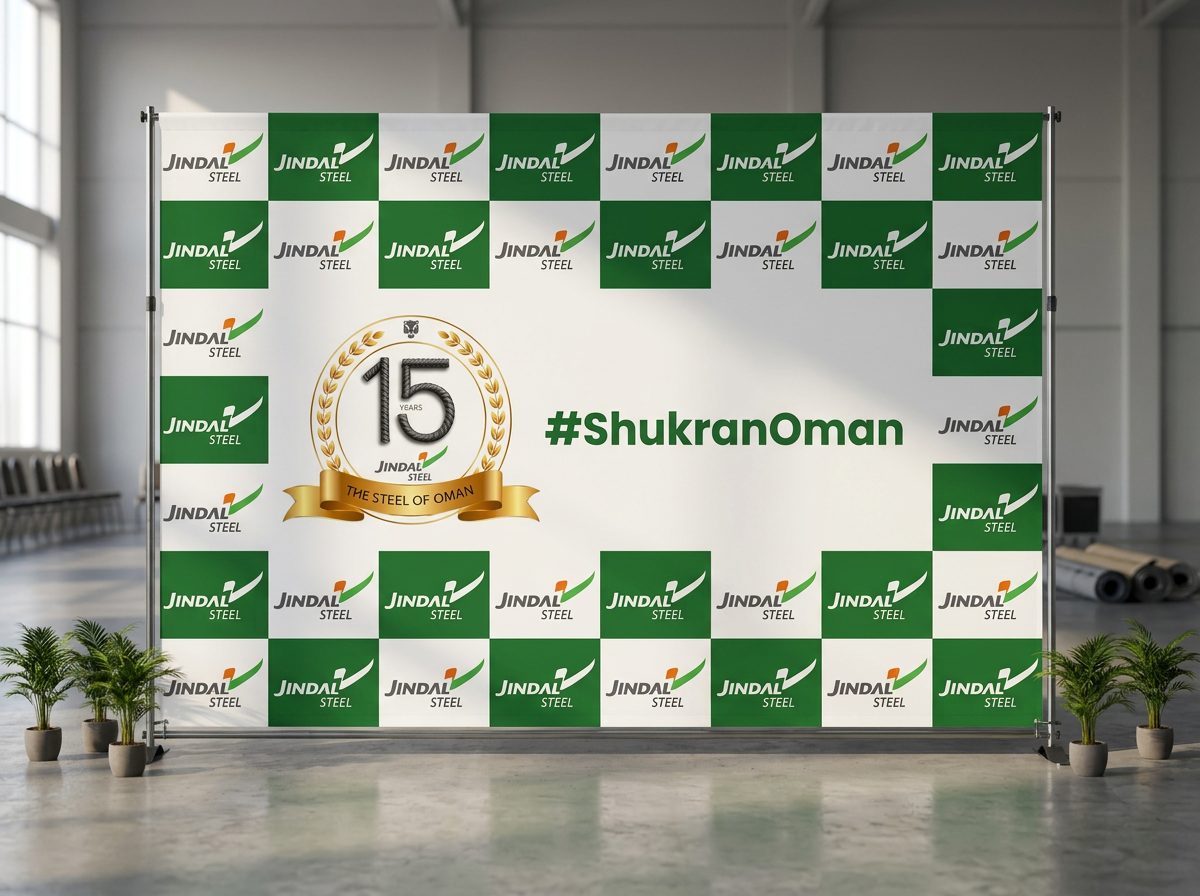
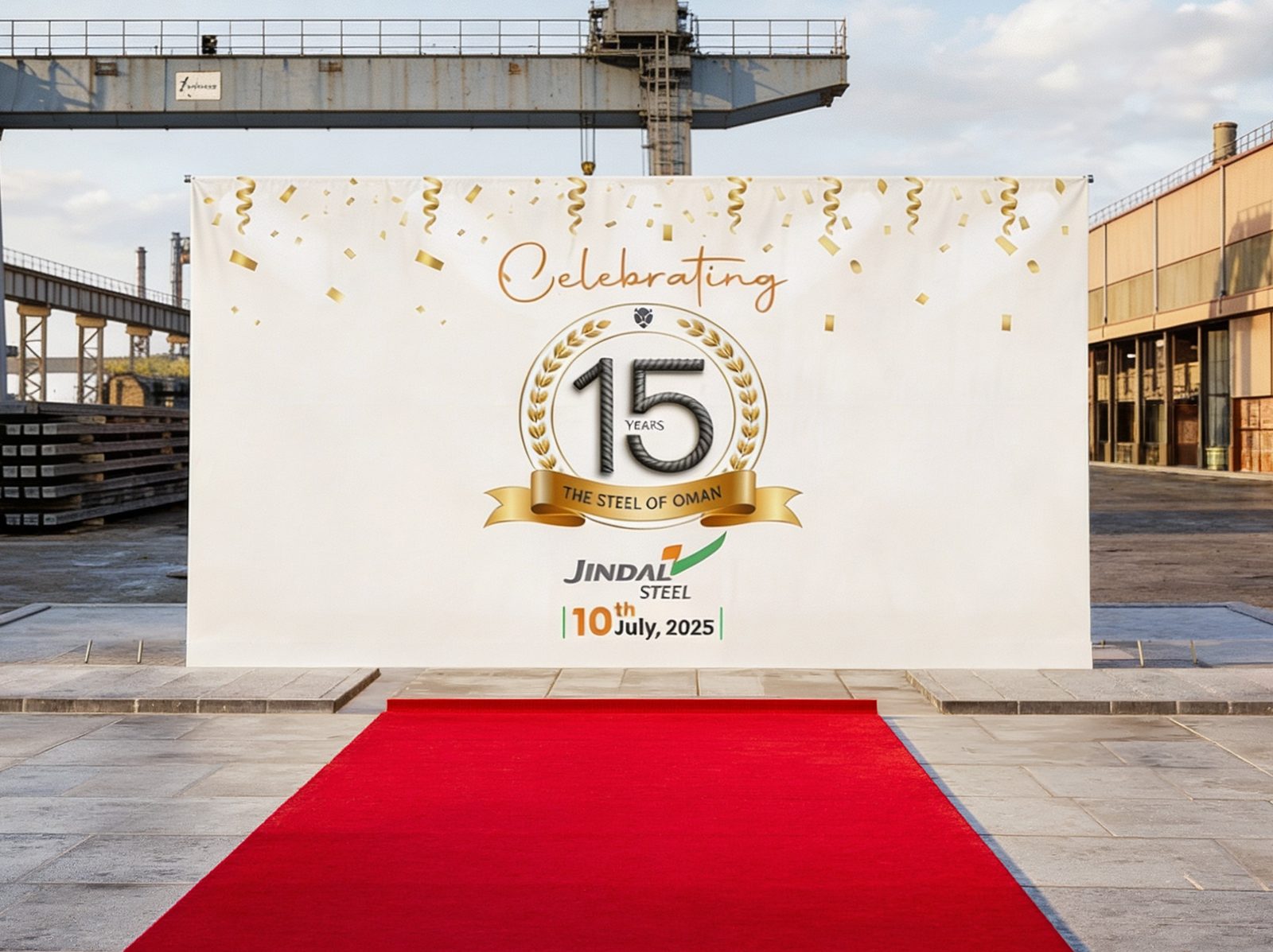
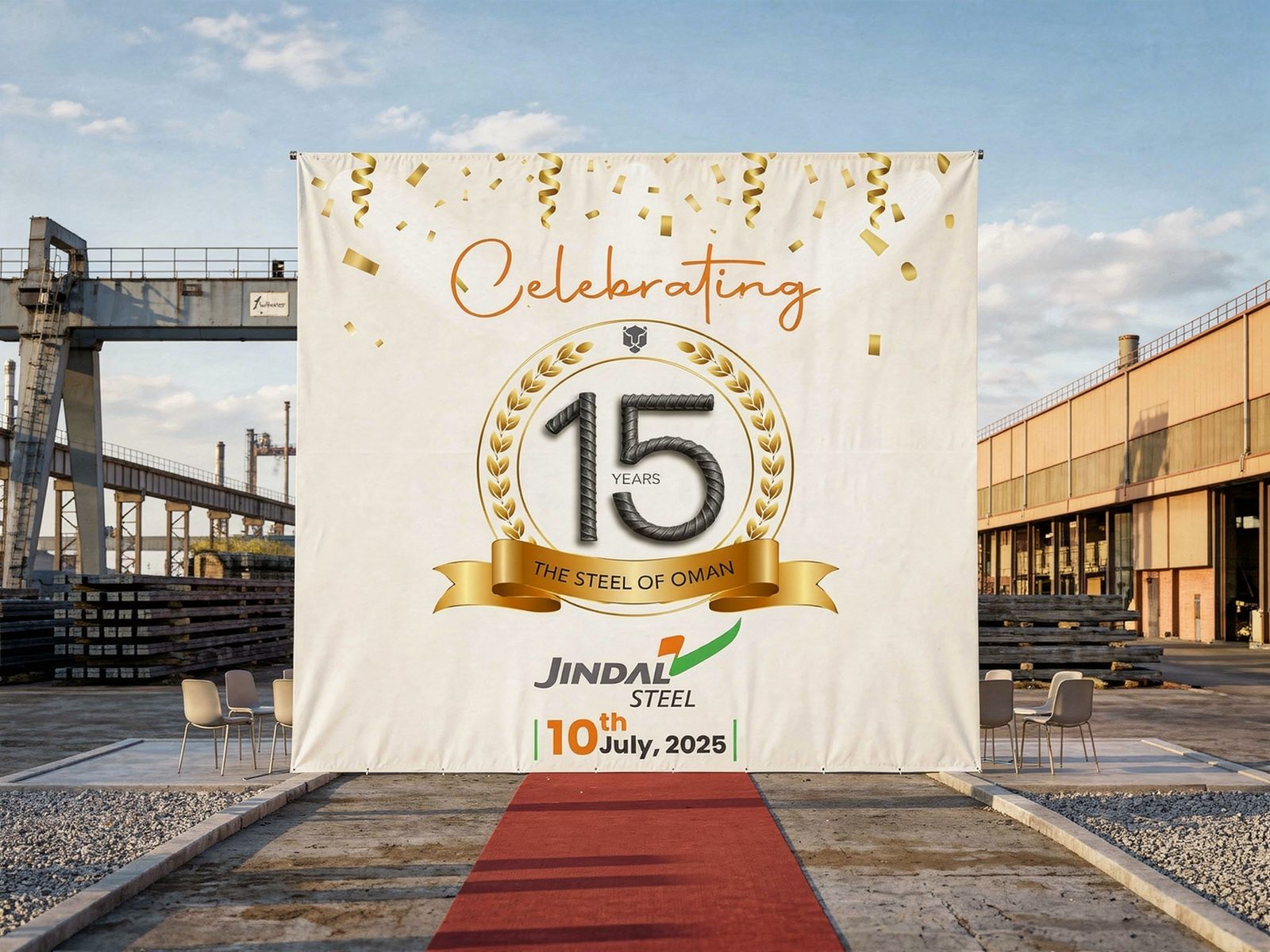
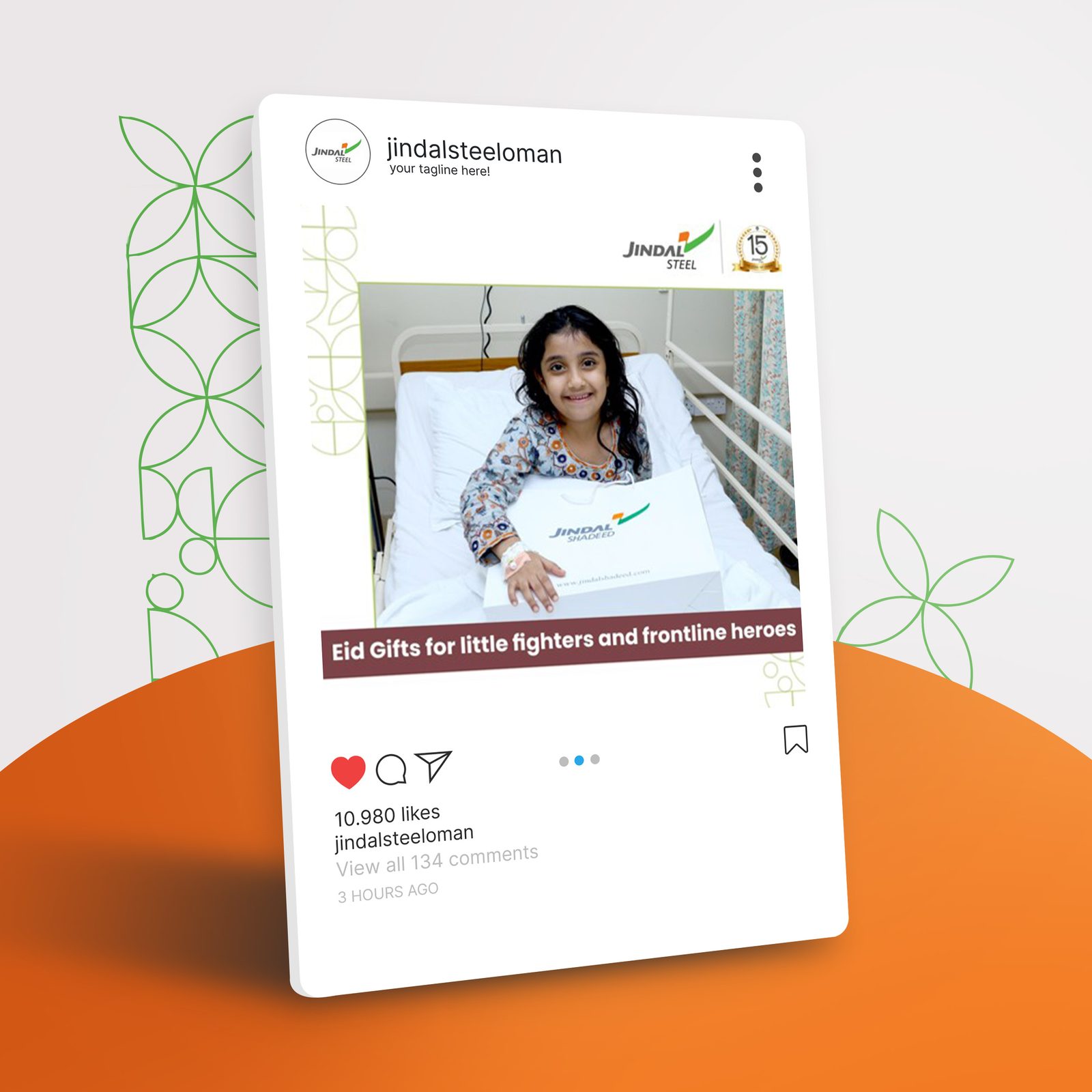
As retained partner, we built logo conceptualisation, brand assets and full brand books across all six entities. The system carried into spec sheets, exhibition stalls, technical bulletins, employee communication and culturally-resonant festival campaigns — one coherent design language across markets.
Not surface decoration. A deliberate signal: buying from Jindal Steel means buying from a brand that takes itself seriously.
The proof is the hardest kind to argue with: Jindal sells at premium pricing in a market built on cost. That gap between the market price and the premium is the return on brand strategy.
Buyers across the GCC began asking for Jindal Steel by name at trade events. Procurement conversations started referencing the brand alongside the specifications — and tender documents began reading like brand pitches instead of price lists.